Advent Calendars
Advent calendars are a beloved holiday tradition that has been celebrated for centuries, offering a delightful way to count down the days to Christmas while providing small surprises or treats each day in December. These calendars come in various designs and themes, each offering a unique experience for children and adults alike. Here’s a brief introduction to advent calendars:
1. Countdown to Christmas: Advent calendars are a special way to mark the days leading up to Christmas, typically starting on December 1st and ending on December 24th. Each day, a new door or compartment is opened to reveal a surprise or treat.
2. Historical Origins: The tradition of advent calendars dates back to the 19th century in Germany, where children would mark the days of Advent (the period leading up to Christmas) by lighting candles or receiving small gifts. Over time, this tradition evolved into the modern advent calendar.
3. Diverse Designs: Advent calendars come in a wide variety of designs, from traditional paper calendars with doors to more elaborate and creative options. Common themes include religious nativity scenes, winter landscapes, and popular characters from movies and TV shows.
4. Surprises and Treats: Behind each door or compartment of an advent calendar, there is a surprise waiting to be discovered. These surprises can include chocolates, candies, small toys, or even inspirational messages or Bible verses, depending on the calendar’s theme.
5. Family Tradition: Advent calendars are often enjoyed as a family tradition. Children eagerly look forward to opening each day’s door, and it can be a fun way for parents to engage with their kids during the holiday season.
6. Educational and Inspirational: Some advent calendars incorporate educational or inspirational elements. For example, there are advent calendars that feature daily trivia questions, Bible verses, or mindfulness activities to promote reflection and learning.
7. Craft and DIY Calendars: Crafty individuals can create their own DIY advent calendars using materials like paper, fabric, or even reusable wooden calendars with drawers or pockets. DIY advent calendars allow for personalization and creativity.
8. Advent Calendar Apps: In the digital age, advent calendar apps have become popular. These apps offer daily surprises, puzzles, or mini-games that users can enjoy on their smartphones or tablets.
9. Collectible Advent Calendars: Some advent calendars are designed for collectors and feature themed items or miniatures. Collectible advent calendars are often centered around popular franchises like LEGO, Star Wars, or Harry Potter.
10. Charity and Giving: There are advent calendars with a charitable focus. These calendars encourage acts of kindness and giving, with each day suggesting a good deed or donation to a specific cause.
Advent calendars are a cherished part of the holiday season for many families and individuals. They add an element of excitement and anticipation to the lead-up to Christmas, fostering a sense of joy, togetherness, and gratitude. Whether filled with chocolates, toys, or meaningful messages, advent calendars offer a special way to celebrate the holiday season and create lasting memories.
Showing 1–12 of 30 results


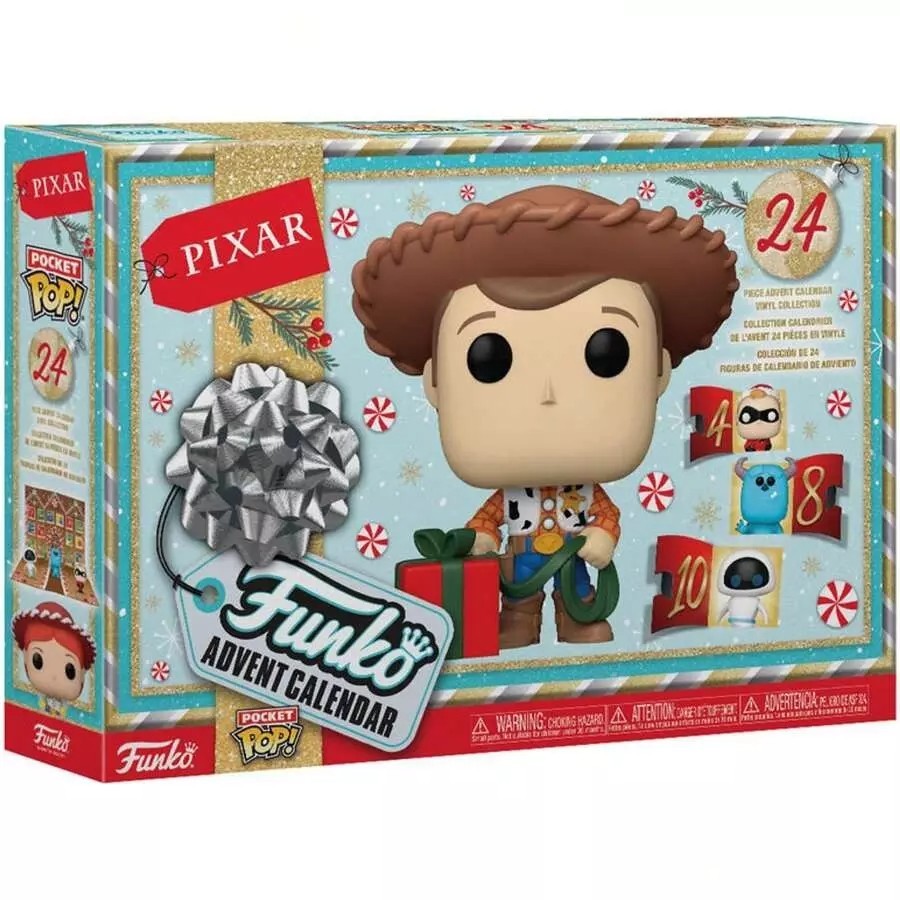





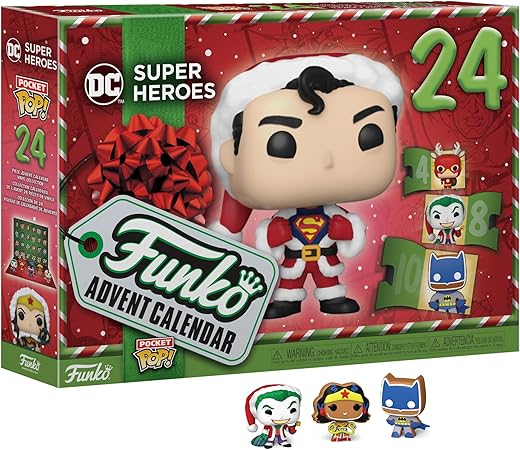
Funko Pop Superman Advent Calendar


Funko Pop The Office Advent Calendar
Advent calendars are a beloved holiday tradition that has been celebrated for centuries, offering a delightful way to count down the days to Christmas while providing small surprises or treats each day in December. These calendars come in various designs and themes, each offering a unique experience for children and adults alike. Here’s a brief introduction to advent calendars:
1. Countdown to Christmas: Advent calendars are a special way to mark the days leading up to Christmas, typically starting on December 1st and ending on December 24th. Each day, a new door or compartment is opened to reveal a surprise or treat.
2. Historical Origins: The tradition of advent calendars dates back to the 19th century in Germany, where children would mark the days of Advent (the period leading up to Christmas) by lighting candles or receiving small gifts. Over time, this tradition evolved into the modern advent calendar.
3. Diverse Designs: Advent calendars come in a wide variety of designs, from traditional paper calendars with doors to more elaborate and creative options. Common themes include religious nativity scenes, winter landscapes, and popular characters from movies and TV shows.
4. Surprises and Treats: Behind each door or compartment of an advent calendar, there is a surprise waiting to be discovered. These surprises can include chocolates, candies, small toys, or even inspirational messages or Bible verses, depending on the calendar’s theme.
5. Family Tradition: Advent calendars are often enjoyed as a family tradition. Children eagerly look forward to opening each day’s door, and it can be a fun way for parents to engage with their kids during the holiday season.
6. Educational and Inspirational: Some advent calendars incorporate educational or inspirational elements. For example, there are advent calendars that feature daily trivia questions, Bible verses, or mindfulness activities to promote reflection and learning.
7. Craft and DIY Calendars: Crafty individuals can create their own DIY advent calendars using materials like paper, fabric, or even reusable wooden calendars with drawers or pockets. DIY advent calendars allow for personalization and creativity.
8. Advent Calendar Apps: In the digital age, advent calendar apps have become popular. These apps offer daily surprises, puzzles, or mini-games that users can enjoy on their smartphones or tablets.
9. Collectible Advent Calendars: Some advent calendars are designed for collectors and feature themed items or miniatures. Collectible advent calendars are often centered around popular franchises like LEGO, Star Wars, or Harry Potter.
10. Charity and Giving: There are advent calendars with a charitable focus. These calendars encourage acts of kindness and giving, with each day suggesting a good deed or donation to a specific cause.
Advent calendars are a cherished part of the holiday season for many families and individuals. They add an element of excitement and anticipation to the lead-up to Christmas, fostering a sense of joy, togetherness, and gratitude. Whether filled with chocolates, toys, or meaningful messages, advent calendars offer a special way to celebrate the holiday season and create lasting memories.
